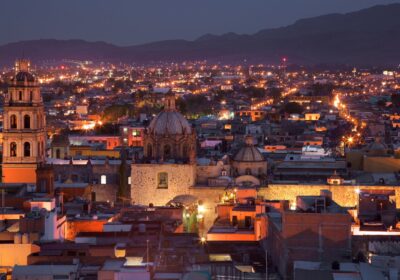

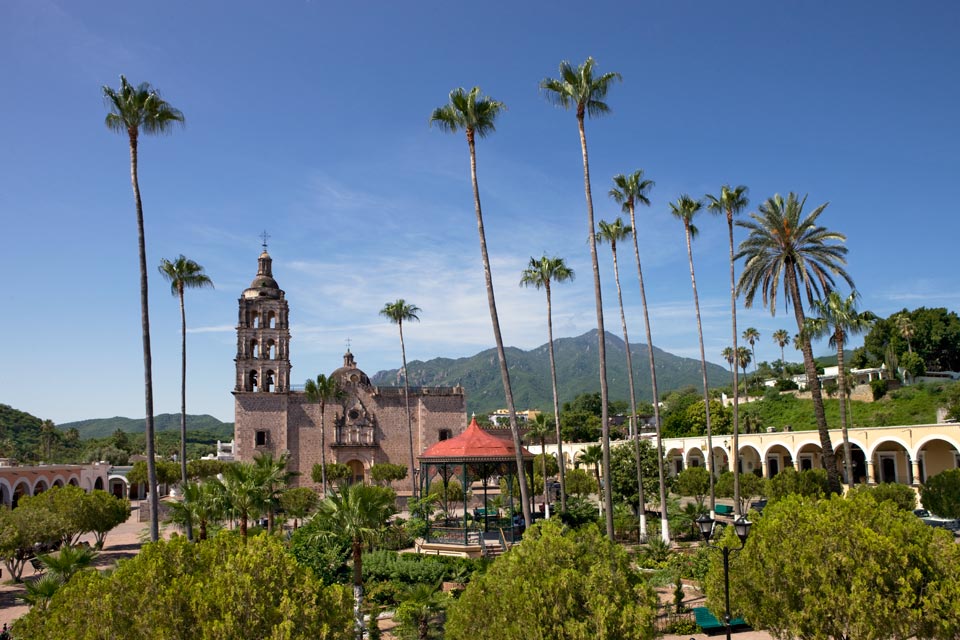
The Magical Towns of Sonora preserve an essential part of the history of northern Mexico. Towns such as Álamos, Magdalena de Kino, and Ures reflect the colonial past, trade routes, and traditions that shaped the region.
Its temples, plazas, and old mansions recount key episodes in the state's economic and cultural development, as well as the influence of the missions and the exchange between indigenous peoples and colonizers. Today, these destinations preserve architecture, cuisine, and festivities that keep Sonoran identity alive, becoming guardians of historical memory and important tourist attractions.
Magical Towns and historical destinations you must visit in Sonora
Álamos, a relic of mining
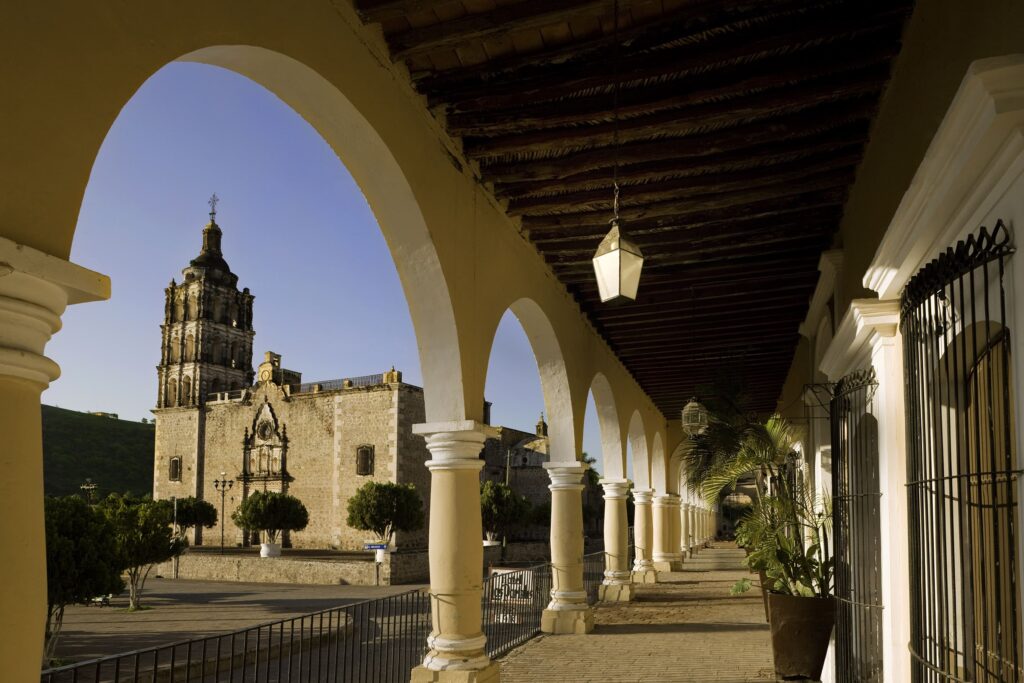
Real de la Limpia Concepción de los Álamos was the name under which thisMagical Townwas founded, known for its importance in mining, especially silver extraction. Also known as"The City of Portals,"it hosts essential events for tourism, such as theAlfonso Ortiz Tirado International Festival, essential for art, culture, and gastronomy. It also offers ecotourism experiences in its surroundings, with routes to the Sierra de Álamos-Río Cuchujaqui, a nature reserve with great biodiversity.
Magdalena de Kino, key to the Jesuits
The Pueblo Mágico (Magical Town) is a must-see tourist destination in Sonora, Mexico, during your 2026 vacation, so you'll have no doubt about what to do in the state. History and cultural identity are part of what you'll find in this place, which originated in the colonial period thanks toa Jesuit missionand the ItalianEusebio Francisco Kino, whose remains rest here. The community is home to the Sanctuary of San Francisco Javier, one of the most important temples in the north of the country. In addition to its religious value, the town stands out for its traditional architecture, its festivities, and its community life.
Ures, a valuable tourist destination in Sonora
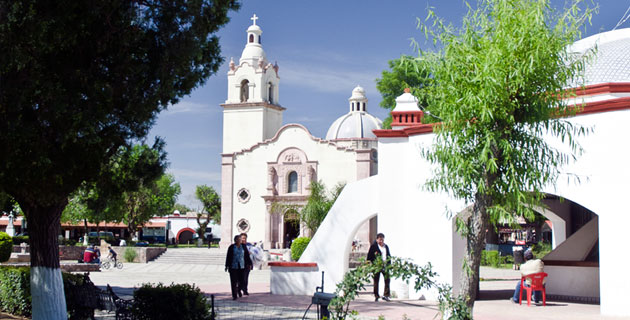
With a history linked to the Jesuit missions, it was founded inthe 17th century. It was an important center of evangelization and territorial organization during the colonial era. Its name comes fromthe Ópata languageand is related to the abundance of water. Such is its importance that on several occasions in the 19th century, it became the state capital. Its streets, historic buildings, and squares preserve the traditional architectural style that harkens back to its past as a center of regional power. Among the sites you should visit are:
- Zaragoza Square
- Church of Saint Michael the Archangel
- Museum of Local Customs