
Oaxaca stands out for its culinary richness and archaeological treasures, which is why it is a key tourist destination in Mexico in 2026. If you are planning a trip, here you will find all the information you need to enjoy an unforgettable vacation.
Thanks to its wide range of entertainment and cultural offerings, it is the perfect place for those looking for a destination that is always worth returning to.
Follow our accounts on Facebook and Instagram to stay up to date with the latest news.
What places to visit in Oaxaca in 2026?
Temple of Saint Dominic of Guzmán
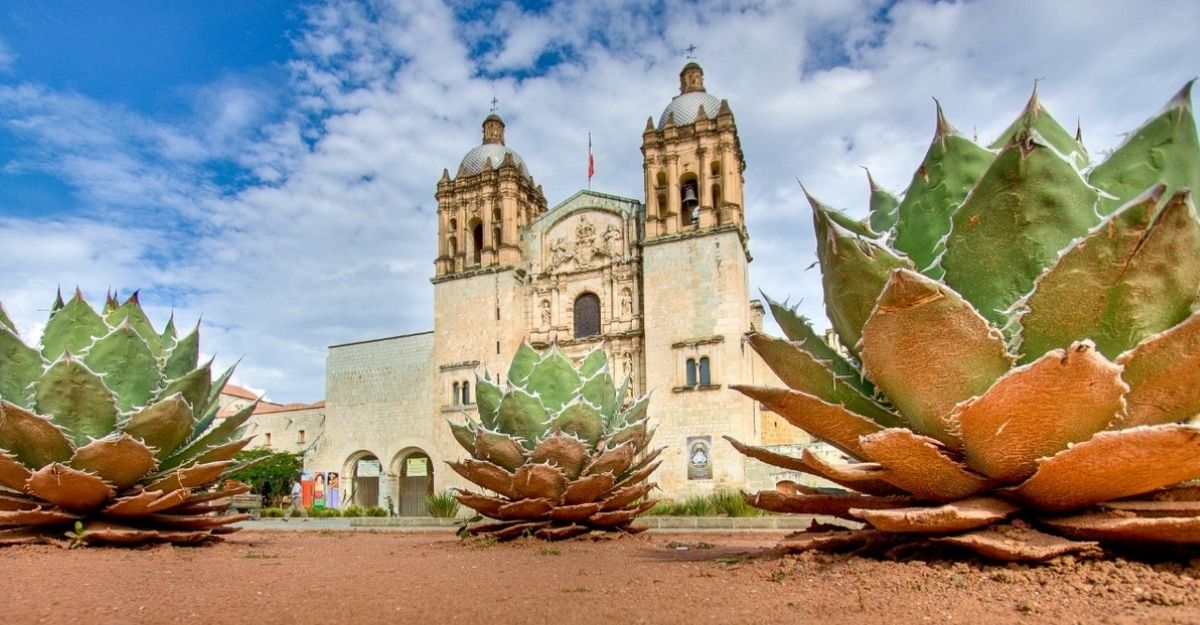
The Temple of Santo Domingo de Guzmán is one of Oaxaca's main tourist attractions and a symbol of the historic center. This majestic convent stands out for its Baroque architecture, historical value, and location on the Andador Turístico, one of the most visited areas by domestic and international travelers.
Built between the 16th and 17th centuries, the Temple of Santo Domingo de Guzmán is considered one of Mexico's most important architectural gems. Its interior stands out for its golden details, frescoes, and religious elements that reflect Oaxaca's colonial legacy. This site is part of the city's cultural heritage and is a must-see for those seeking to learn about the state's history.
- Location: C. Macedonio Alcalá s/n, Downtown, Oaxaca de Juárez, Oaxaca.
- Days and hours: Monday to Saturday | 9:30 a.m. to 1:00 p.m. and 4:30 p.m. to 7:00 p.m.
*Closed on Sundays. - Cost: Free.
Museum of the Cultures of Oaxaca
The Museum of the Cultures of Oaxaca is one of the main tourist attractions in the historic center of Oaxaca. Located in the former convent of Santo Domingo de Guzmán, it houses more than 14,000 archaeological, historical, and ethnographic pieces, including the treasure of Monte Albán.
The site has 14 permanent galleries and nine themed galleries dedicated to traditional activities such as pottery, goldsmithing, leatherworking, and Oaxacan cuisine. It is administered by the National Institute of Anthropology and History (INAH) and was recognized as a regional museum in 1972.
- Location: 1a. Cerrada de Macedonio Alcala s/n, RUTA INDEPENDENCIA, Centro, Oaxaca de Juárez, Oaxaca.
- Days and hours: Tuesday to Sunday | 9:00 a.m. to 5:00 p.m.
*Closed on Mondays. - Cost:
- General admission: $100 pesos.
- Children under 13, students, teachers, and seniors: Free.
Jalatlaco neighborhood
The Jalatlaco neighborhood is one of the must-see places to visit in Oaxaca. Located a few blocks from the historic center, this destination combines cobblestone streets, colonial adobe and quarry stone houses, urban art murals, galleries, cafes, and restaurants.
In 2023, it was recognized as a Magical Neighborhood by the Secretariat of Tourism, thanks to its historical, cultural, and gastronomic wealth. Its origins date back to 1486, and it is part of the city's historic monument zone.
What to do in the Jalatlaco neighborhood?
- Visit the temple of San Matías Jalatlaco, built in the 17th century.
- Walk through its streets and discover murals and graffiti by local artists.
- Explore contemporary art galleries.
- Enjoy Oaxacan coffee in its specialty coffee shops.
The Jalatlaco neighborhood is ideal for walking, taking photographs, and experiencing the artistic atmosphere that distinguishes Oaxaca as one of Mexico's most attractive tourist destinations.
Xochimilco
The Neighborhood of Xochimilco is one of the oldest and most authentic neighborhoods to visit in Oaxaca de Juárez. Founded in 1486, its name comes from Nahuatl and means "place of flowers," reflecting its cultural, artistic, and traditional richness.
This neighborhood was established by order of the Aztec emperor Ahuitzotl, who sent Xochimilca settlers to settle in the area. Since then, Xochimilco has become a center for trades, crafts, and traditions that are still preserved in its colonial streets.
What to do in the Xochimilco neighborhood?
- Walking along cobblestone streets with colonial architecture.
- Visit craft workshops and art galleries.
- Enjoy local cuisine, such as Oaxacan chocolate and egg yolk bread.
- Take pictures of their colorful facades and murals.
The Xochimilco neighborhood is a must-see destination for those seeking to learn about the history, culture, and traditional essence of Oaxaca.
Baseboard
The Zócalo is the heart of Oaxaca de Juárez and a must-see destination for tourists and locals alike. Surrounded by terraces and cafés, it offers an authentic experience where you can enjoy a refreshing tejate, mezcal, or local cuisine while observing the daily life of the city.
The cathedral that dominates the square is a prime example of New Spanish Baroque architecture. The Zócalo is part of the Historic Center of Oaxaca, declared a World Heritage Site by UNESCO in 1987, along with the Monte Albán Archaeological Zone. This recognition highlights the preservation of the 16th-century viceregal urban layout, its colonial architecture, and its cultural wealth spanning more than four centuries.
What to do in the Zócalo of Oaxaca?
- Enjoy local cuisine: more than 70 traditional food and drink options, including tejate and mezcal.
- Explore the historic architecture: tour the cathedral and colonial buildings surrounding the square.
- Experience Oaxacan culture: events, music, and crafts are on display daily in the plaza.
- Photography and walking tour: admire the colors, nature, murals, and urban life of the historic center.
The Zócalo of Oaxaca is not just a square; it is a space that combines history, culture, and tradition, making it a unique place to connect with the essence of the city and live the authentic Oaxacan experience.
Mount Albán
Monte Albán, located on top of a mountain, is one of Mexico's most important archaeological sites and the ancient capital of the Zapotec culture. This site offers panoramic views and a journey through the pre-Hispanic history of Oaxaca.
Founded between 500 and 100 BC, Monte Albán developed on three hills: Monte Albán, El Gallo, and Bonete (Atzompa). Its first inhabitants took advantage of the fertile soil, bodies of water, and vegetation, establishing population centers that later expanded in pre-Hispanic times.
- Location: Carr. a Monte Albán, 68000 Oaxaca de Juárez, Oaxaca.
- Days and hours: Monday to Sunday | 8:00 a.m. to 5:00 p.m. (last admission at 4:00 p.m.).
- Cost: $100 pesos (includes museum visit).
*Free admission for Mexicans on Sundays. - Services: on-site museum, temporary exhibitions, guided tours, restaurant, bookshop, and parking.
Boiling Water
Hierve el Agua, located in the Sierra de Oaxaca, is an essential natural and archaeological destination. Recognized as a possible sacred site of the ancient Zapotecs, it stands out for its petrified waterfalls, natural pools, and a pre-Hispanic irrigation system that is still preserved.
The main attraction of Hierve el Agua are its two petrified waterfalls: the first is 30 meters high and the second is 12 meters high, formed by carbonate water runoff. This water creates new layers of rock as it falls into a ravine more than 200 meters deep.
On the esplanade known as "El Anfiteatro" (The Amphitheater), there are natural pools that are ideal for admiring the waterfalls and enjoying a relaxing swim in warm water, whose temperature ranges between 22 and 25 °C.
What to see and do in Hierve el Agua?
- Natural pools: enjoy swimming in pools with temperatures ranging from 22 to 25°C.
- Hiking and biking: Explore the pre-Hispanic irrigation system while admiring waterfalls and mountainous landscapes.
- Services: bathrooms, dressing rooms, palapas, fondas, and cabins equipped for lodging.
- What to bring: swimsuit, sneakers, sunscreen, and a change of clothes for the bathroom.
- Best time to visit: low season or rainy season (June to August) to see new waterfalls.
Details
- Location: Hierve el Agua, 70477 Oaxaca de Juárez, Oaxaca.
- Days and hours: Monday to Sunday | 7:00 a.m. to 6:30 p.m.
- Cost:
- First ejido: $10 pesos per person.
- Admission: $25 pesos per person.
- Bathrooms: $3 pesos per person.
- Showers: $15 pesos per person.
- Camping: $50 pesos per person.
- Cabins: $200 pesos per person.
The 17 best beaches in Oaxaca that you must visit
Oaxaca is a coastal paradise with incredible beaches that combine natural beauty, surfing, tranquility, and marine life. Here are the 17 beaches in Oaxaca that you can't miss, from west to east, to help you plan your travel route.
Must-see beaches in Oaxaca:
- Zicatela Beach
Famous for surfing and giant waves.
Point Ideal for surfers and relaxed nightlife.- Carrizalillo
A small cove with crystal clear waters and a peaceful atmosphere. - Marinero Beach
Perfect for swimming and relaxing on the golden sand. - Punta Colorada
A destination for those seeking beautiful landscapes and tranquility. - San Agustinillo
Family-friendly beach with a relaxed atmosphere and local restaurants. - Mazunte
Known for its ecotourism and Mexican Turtle Center. - Mermejita
Secluded and peaceful, ideal for relaxing away from the crowds.
Point Highest point on the coast for spectacular sunsets.- Zipolite
Nudist beach and bohemian atmosphere, very popular with international tourists. - Puerto Ángel
Fishing port with golden sand beaches and calm seas. - El Violín Beach
Ideal for swimming and snorkeling. - San Agustín Bay
Sea turtle sanctuary and ecotourism activities. - La Entrega Beach
A destination for surfing and observing marine wildlife. - Bahía Conejos
A peaceful beach with calm waters and beautiful sunsets. - Chahué Beach
Close to Huatulco, with soft sand and tourist services. - Arrocito Beach
Small and isolated, perfect for enjoying privacy and nature.
What dishes can you enjoy in Oaxaca?
Oaxacan cuisine is renowned throughout Mexico for its richness, diversity of flavors, and history. In 2010, Oaxacan cuisine was declared Intangible Cultural Heritage of Humanity by UNESCO, thanks to its pre-Hispanic and mestizo heritage that is still reflected in its dishes and beverages.
Oaxaca cuisine is based on three essential ingredients: corn, beans, and chili peppers, complemented by cacao, tomatoes, squash, and even insects. During the colonial era, European spices and proteins such as pork, chicken, and beef were incorporated, enriching the regional cuisine. This blend of cultures created unique flavors that today distinguish Oaxaca.
Typical dishes from Oaxaca
Tlayuda
One of Oaxaca's most iconic dishes, the tlayuda, consists of a large, crispy corn tortilla topped with beans, tasajo (dried beef), avocado, cabbage, cheese, chorizo, grasshoppers, or shrimp. It's ideal for enjoying at local markets and traditional restaurants.
Chicatanas
Chicatanas, leafcutter ants, are a seasonal delicacy in Oaxaca. They can be eaten roasted, in tacos, mole, or sauces, offering a crunchy, concentrated flavor that represents the region's pre-Hispanic cuisine.
Mezcal
Oaxaca mezcal is the state's most representative drink and a key product for the local economy. With a wide variety of aromas and flavors, its production supports entire families in the region, consolidating the artisanal tradition and its international recognition.
Zapotec cuisine from the Isthmus of Tehuantepec
Zapotec cuisine combines pre-Hispanic and mestizo ingredients, offering dishes such as:
- Scrambled eggs with shrimp heads
- Dried shrimp mole
- Rice with beef
- Stuffed onions
- Pork with corn
- Tongue jerky
- Bean mole
- Beef tamales
- Iguana prepared in different ways
This variety reflects the cultural and culinary richness of Oaxaca, inviting locals and tourists alike to sample authentic Oaxacan cuisine.
Oaxaca stands out for its combination of history, cuisine, culture, and nature, making it one of the most well-rounded destinations in the country. From archaeological sites such as Monte Albán to traditional markets and historical monuments, the city offers experiences for all types of travelers.
In addition, its cuisine, considered Intangible Cultural Heritage, and its authentic atmosphere attract thousands of tourists to Oaxaca every year.